
Embrace Sacred Gardening for Mindful Living
August 24, 2026 · 9:45 AM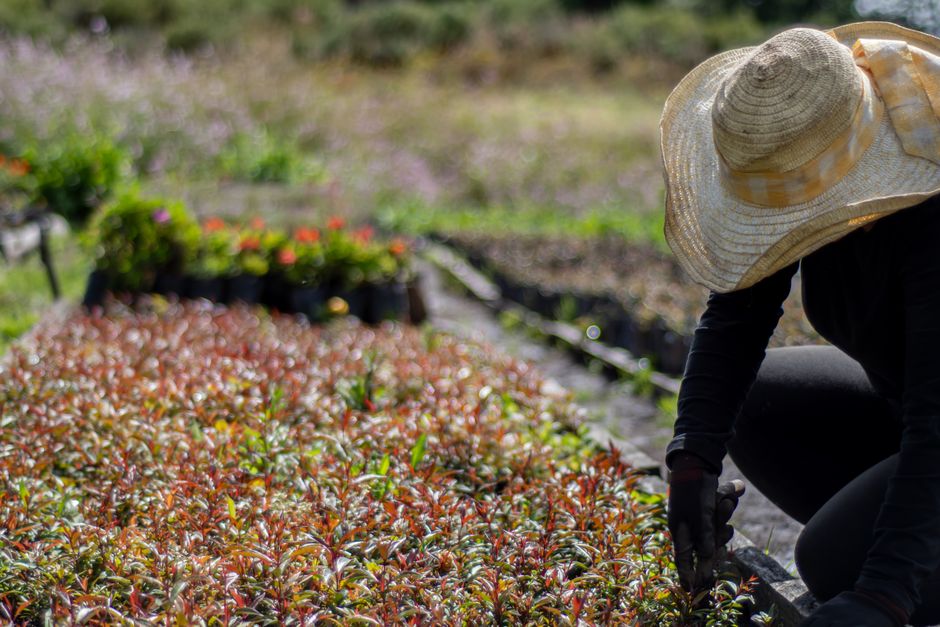
Sacred gardening is a practice that fosters a deep connection with nature, allowing individuals to cultivate not just plants, but also mindfulness and reverence. This approach emphasizes the importance of being present and engaged with the natural world, aligning with principles found in Ayurveda. By understanding the interplay between gardening and mindfulness, you can create a nurturing environment that enhances your appreciation for the earth. This article will guide you through the philosophy of sacred gardening, its ties to Ayurveda, and practical tips for cultivating mindfulness in your gardening practices, ultimately enriching your life and promoting a harmonious relationship with nature.
The Philosophy of Sacred Gardening
Sacred gardening is defined as a mindful approach to gardening that emphasizes reverence for nature. This practice encourages individuals to view their gardens as sacred spaces, fostering a deeper connection with the environment. By treating gardening as a spiritual practice, one can cultivate a sense of gratitude and respect for the plants and the earth. Reverence in gardening involves recognizing the beauty and complexity of nature, which can lead to a more fulfilling gardening experience. This philosophy invites gardeners to slow down, observe, and appreciate the natural rhythms of growth and decay. By embracing this perspective, you can transform your gardening routine into a meaningful ritual that nurtures both the land and your spirit.
Understanding Ayurveda and the Five Elements
Ayurveda, an ancient system of medicine, recognizes five fundamental elements: earth, water, fire, air, and space. These elements are believed to influence not only our physical health but also our emotional and spiritual well-being. In the context of gardening, these elements can be reflected through the choice of plants, the design of the garden, and the gardening practices employed. For instance, earth represents stability and nourishment, while water symbolizes fluidity and life. Fire can be represented through sunlight, which is essential for growth, while air signifies the breath of life that plants need. Space allows for the freedom of growth and movement. By incorporating these elements into your gardening, you can create a balanced environment that resonates with Ayurvedic principles, promoting harmony between yourself and the natural world, and enhancing your overall gardening experience.
Building a Relationship with Your Plants
Engaging meaningfully with your plants is essential for a fulfilling gardening experience. Start by observing the specific needs of your plants, such as light, water, and soil conditions. This attentiveness fosters a deeper understanding of their growth cycles and requirements. Regular interaction with your plants, whether through watering, pruning, or simply spending time in their presence, can enhance your connection to them. Consider keeping a gardening journal to track observations and reflect on your experiences. This practice not only strengthens your relationship with your plants but also encourages mindfulness, as you become more attuned to the subtleties of nature. Additionally, learning about the unique characteristics of each plant can deepen your appreciation and enhance your gardening skills, making the experience more rewarding.
Practical Tips for Mindful Gardening
To cultivate a mindful gardening practice, consider adopting natural gardening methods that align with sustainable principles. Use organic fertilizers and pest control methods to minimize environmental impact. Additionally, focus on reducing waste by composting kitchen scraps and garden debris, which can enrich your soil. Start small by creating a container garden or a small plot, allowing you to gradually build your skills and confidence. Observe nature closely and learn from its processes; this can inspire creativity in your gardening practices. For example, you might notice how certain plants thrive in specific conditions and adjust your gardening techniques accordingly. These practical steps not only enhance your gardening experience but also contribute to a healthier planet, fostering a sense of responsibility and connection to the earth.
Cultivating Mindfulness Through Gardening
Gardening can serve as a powerful tool for cultivating mindfulness. Engaging with the soil, plants, and natural elements encourages a state of presence and awareness. As you tend to your garden, focus on the sensations of touch, smell, and sight, allowing yourself to be fully immersed in the experience. Approach gardening with an open heart, free from distractions, and let the act of nurturing plants become a form of meditation. This mindful approach can help reduce stress and foster a sense of peace, as you connect with the rhythms of nature and the cycle of life. By integrating mindfulness into your gardening routine, you can create a sanctuary that not only nurtures your plants but also nourishes your soul.
Practical Takeaway
Start small in your gardening practice, observe nature, and engage mindfully with your plants for a fulfilling experience that deepens your connection with the earth.