
25 Snacks for Balanced School Lunches Kids Will Love
August 21, 2026 · 10:38 AM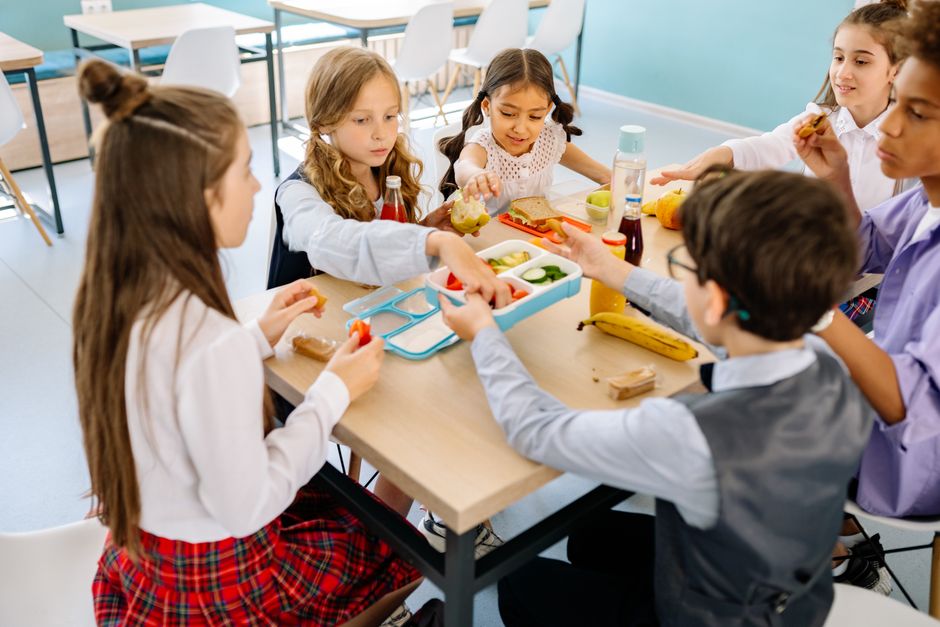
As parents, finding the right snacks for school lunches can be a challenge. You want to ensure that your children are eating nutritious foods that they will actually enjoy. Incorporating a variety of fruits, vegetables, whole grains, and protein-rich options can help create balanced lunches that keep kids satisfied throughout the day. This article provides a range of snack ideas that are not only healthy but also appealing to young taste buds. By considering dietary restrictions and encouraging children to participate in snack selection, you can make lunchtime a more enjoyable experience for everyone. Remember, the goal is to provide snacks that are both nutritious and fun, making it easier for kids to develop healthy eating habits early on.
Fruits and Vegetables
Including fresh produce in school lunches is essential for providing vitamins and minerals that support overall health. Easy-to-pack fruits like apple slices, grapes, and baby carrots can be great options. Consider pairing these with dips like hummus or yogurt to enhance their appeal. For example, a small container of peanut butter can make celery sticks more enticing, while a fruit salad can be a colorful addition to any lunch. Additionally, using cookie cutters to create fun shapes from fruits and vegetables can encourage kids to try new options. Remember to wash and cut produce ahead of time for convenience, and consider seasonal fruits for variety. You might also explore dried fruits, like apricots or raisins, as they can be a sweet treat that’s easy to pack and store. Just be cautious with portion sizes, as dried fruits can be calorie-dense.
Whole Grain Options
Whole grains are an important part of a child’s diet, offering fiber that supports digestive health and helps maintain energy levels. Snacks like whole grain crackers, popcorn, or oatmeal bars are easy to pack and can provide a satisfying crunch. When selecting whole grain options, look for products that list whole grains as the first ingredient. Whole grain bread can also be used for sandwiches or wraps, providing a nutritious base for various fillings. By incorporating these snacks, you can help ensure that your child receives the fiber they need while also enjoying their meals. Mixing different whole grain snacks can also keep lunchtime interesting. For instance, you might include a variety of whole grain cereals in a small container for a crunchy snack. Additionally, consider whole grain rice cakes topped with nut butter or avocado for a unique twist. These options not only add variety but also introduce different flavors and textures to keep kids engaged.
Protein Sources
Protein-rich snacks are crucial for keeping children satisfied and supporting their growth and development. Options such as Greek yogurt, cheese sticks, or hard-boiled eggs can be excellent choices that are both nutritious and easy to pack. Nut butters, like almond or peanut butter, can also be paired with whole grain crackers or apple slices for a tasty treat. If your child enjoys cooking, consider involving them in making protein-packed snacks, such as homemade energy balls with oats and seeds. These snacks not only provide essential nutrients but can also be a fun way to engage kids in healthy eating habits. Always ensure that the protein sources you choose align with your child’s dietary preferences. For example, if your child is vegetarian, consider options like edamame or chickpeas. Additionally, be mindful of portion sizes, as some protein-rich snacks can be calorie-dense, and balance them with other food groups for a well-rounded lunch.
Allergy Awareness
When selecting snacks for school lunches, it’s crucial to be mindful of food allergies and dietary restrictions. Always read food labels carefully to identify potential allergens, such as nuts, dairy, or gluten. If your child has specific allergies, consider preparing homemade snacks to ensure safety. For example, you can make energy bars using oats, seeds, and dried fruits without common allergens. Additionally, communicate with your child’s school about their allergy policies to ensure a safe environment. Educating your child about their allergies can also empower them to make safe snack choices when they are away from home. Consider involving your child in the snack selection process to help them understand what to look for in safe options. You might also explore allergy-friendly brands that cater specifically to children with dietary restrictions, ensuring they have enjoyable snacks that meet their needs.
Portion Control Tips
Managing portion sizes is important for ensuring that children have the right amount of snacks without overwhelming them. Using small containers or bento boxes can help with portion control and make lunchtime more organized. Offering a variety of snacks in smaller portions can also keep kids engaged and excited about their meals. For example, instead of packing a whole apple, consider slicing it and pairing it with a small amount of nut butter. This approach not only helps with portion control but also encourages kids to try different flavors and textures. Preparing snacks in advance can save time and make it easier to pack balanced lunches. You might also consider creating a snack chart with your child, allowing them to choose a few options each week. This not only helps with portion control but also gives them a sense of ownership over their lunch choices.
Practical Takeaway
Involve your children in snack selection and prepare snacks in advance to create balanced, enjoyable school lunches that cater to their tastes and dietary needs.