The Benefits of Integrating More Protein into Your Meals
July 18, 2026 · 1:55 PM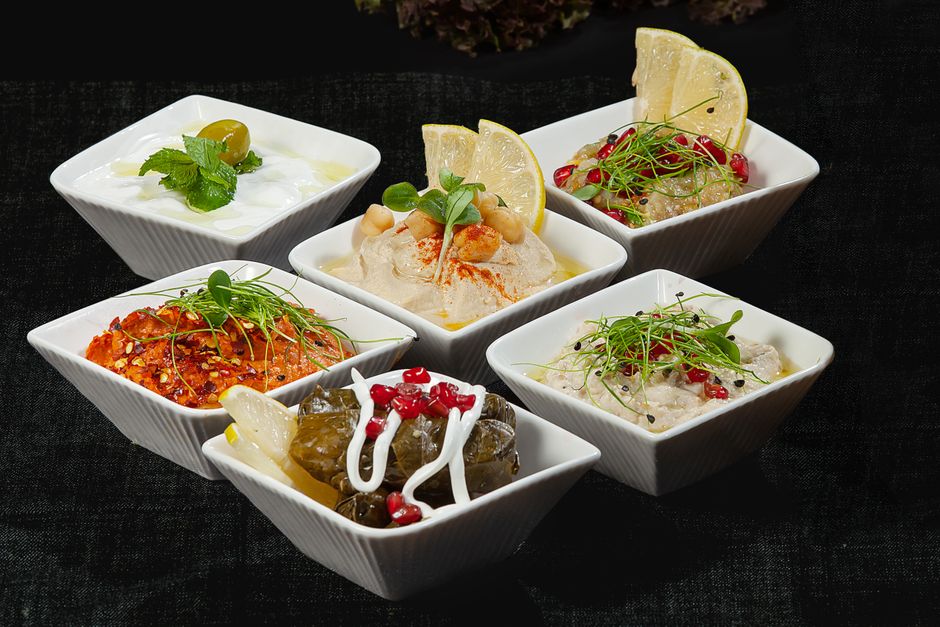
Eating a balanced diet is essential for maintaining overall health, and one of the most crucial components of that balance is protein. While we often hear about the importance of fruits and vegetables, it’s equally important to consider the role of protein in our meals. Here’s a look at why you should focus on protein-rich foods and how you can easily incorporate them into your daily diet. Protein is one of the three macronutrients our bodies need to function properly, along with carbohydrates and fats. It plays a vital role in building and repairing tissues, making enzymes and hormones, and supporting overall growth and development.
Incorporating more protein into your meals can help you feel satisfied and improve your energy levels throughout the day. When you consume adequate protein, it can also assist in maintaining muscle mass, which is especially important as we age. Additionally, protein can help regulate your appetite, making it a great ally for those looking to manage their weight. There are two main types of protein sources: animal-based and plant-based.
Animal-Based Proteins
Animal proteins, such as chicken, turkey, fish, eggs, and dairy products, are complete proteins, meaning they contain all nine essential amino acids your body needs. They are often more easily absorbed and utilized by the body compared to some plant proteins.
Plant-Based Proteins
Plant proteins include beans, lentils, tofu, nuts, seeds, and whole grains. While some may lack one or two essential amino acids, combining different sources (like rice and beans) can create a complete protein profile. Plant-based proteins are also packed with fiber, vitamins, and minerals, making them an excellent choice for overall health.
Easy Ways to Add Protein to Your Diet
-
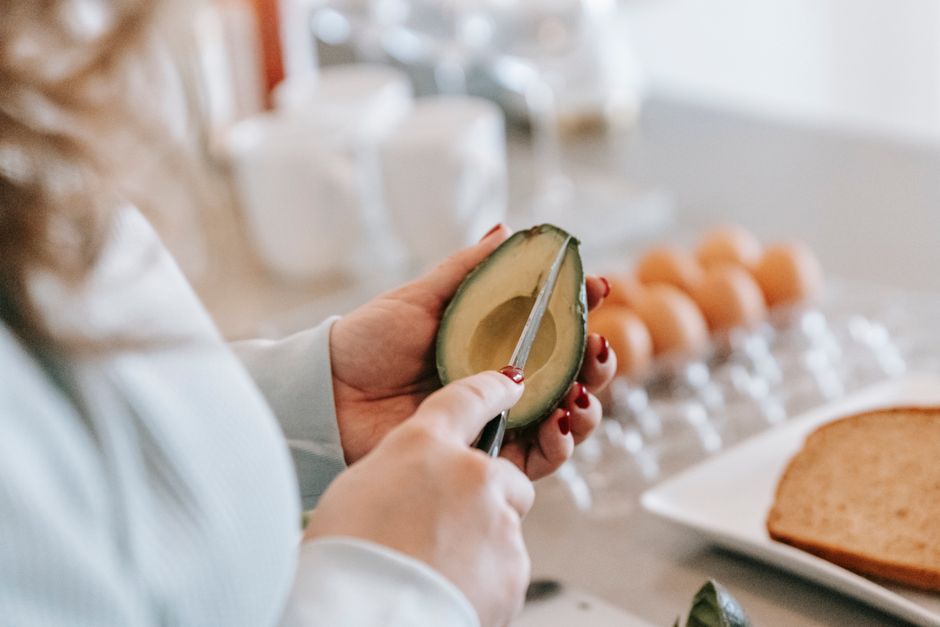
Start Your Day with Protein: Breakfast is a great opportunity to incorporate protein. Try Greek yogurt topped with nuts and berries, or an omelet filled with vegetables and cheese.
-
Snack Wisely: Instead of reaching for chips or sweets, consider protein-rich snacks like hummus with veggies, cottage cheese with fruit, or a handful of almonds.
-
Mix It Up in Meals: When preparing lunch or dinner, think about how you can boost the protein content. Add beans to salads, use quinoa instead of rice, or top your pasta with a protein-rich sauce.
-
Experiment with Protein Supplements: If you’re finding it challenging to meet your protein needs through food, consider protein powders or bars. Many options are available, making it easy to supplement your diet.
-
Focus on Portion Sizes: When planning your meals, aim for a portion of protein. A general guideline is to fill a quarter of your plate with protein-rich foods, whether they are animal or plant-based.
Listen to Your Body
As with any dietary change, it’s important to listen to your body. Pay attention to how you feel after increasing your protein intake. You may notice better energy levels, improved satiety, or even enhanced physical performance if you’re active. Everyone’s needs are different, so find the balance that works best for you.
Practical Takeaway
Integrating more protein into your meals doesn’t have to be complicated. By being mindful of your choices and incorporating a variety of protein sources, you can enhance your diet and overall health. Start today by adding just one more protein-rich food to your meals or snacks and see how it makes you feel!