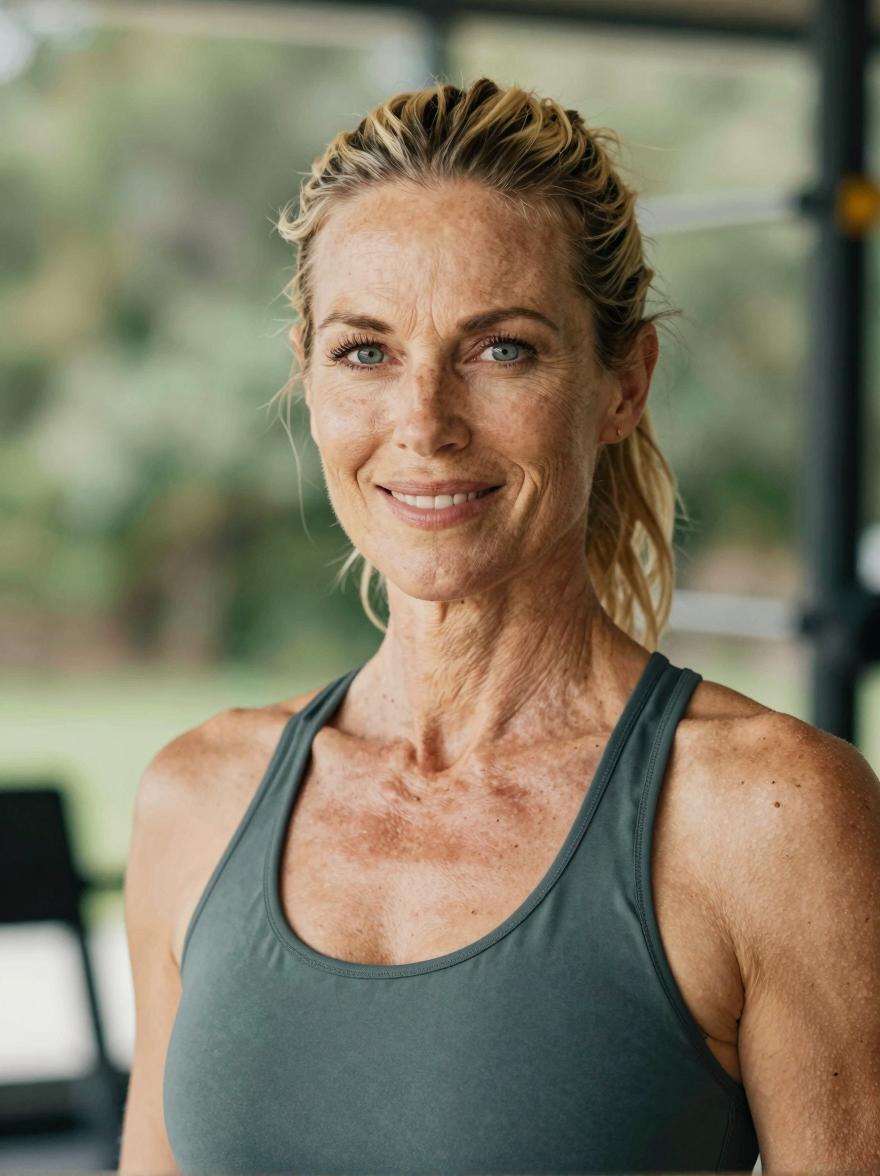
Stay Fit at 60: 4 Exercises to Keep You Active
June 30, 2026 · 11:13 AM
As we age, staying active becomes increasingly important for maintaining our health and mobility. Regular physical activity can enhance our quality of life, helping to prevent chronic conditions and improve overall well-being. For individuals around 60 years old, incorporating safe and effective exercises into daily routines can make a significant difference. This article outlines four exercises that are suitable for seniors, along with practical tips for integrating fitness into everyday life. By focusing on exercises that promote strength, balance, and mobility, you can enjoy a more active lifestyle and maintain your independence as you age.
The Importance of Staying Active at 60
Maintaining physical activity as we age is crucial for several reasons. Regular exercise can help manage weight, improve cardiovascular health, and enhance muscle strength, which is vital for maintaining independence. Additionally, staying active can boost mental health by reducing feelings of anxiety and depression. Engaging in physical activity also promotes social interaction, especially when participating in group classes or community events. Furthermore, exercise can improve flexibility and balance, reducing the risk of falls, which is a significant concern for older adults. Overall, the benefits of staying active contribute to a higher quality of life, allowing individuals to enjoy daily activities and maintain their independence. By prioritizing physical activity, you can enhance your overall well-being and enjoy a more fulfilling life.
Safe Exercises for Seniors
Incorporating safe exercises into your routine can help maintain strength and mobility. Here are four effective exercises: Squats can be performed using a chair for support, allowing you to strengthen leg muscles while maintaining balance. Start by sitting on the edge of the chair and then standing up, using the chair for stability. Push-ups can be modified by doing them against a wall or on your knees to accommodate different fitness levels. This allows you to build upper body strength without straining your joints. Planks can be adjusted by performing them on your knees instead of your toes, which reduces strain while still engaging core muscles. Begin with short intervals and gradually increase the duration as you gain strength. Lastly, walking is a low-impact exercise that can be easily integrated into daily life, whether it’s a stroll around the neighborhood or a walk in a local park. Always remember to listen to your body and modify these exercises as needed, ensuring that you are comfortable and safe.
How to Incorporate Exercise into Your Daily Routine
Making exercise a regular part of your life can be achieved by setting realistic goals. Start with small, achievable targets, such as walking for 10 minutes a day, and gradually increase the duration as you feel more comfortable. Finding enjoyable activities is essential for promoting consistency; consider joining a local fitness class designed for seniors, or engage in social activities like dancing or gardening. Creating a schedule can also help you stay accountable. For instance, you might designate specific days for walking or attending a class. Additionally, consider incorporating physical activity into your daily tasks, such as taking the stairs instead of the elevator or doing light stretching while watching television. Remember, the key is to find activities that you look forward to, making it easier to stick with your routine. By integrating exercise into your daily life, you can enhance your overall fitness and well-being.
Listening to Your Body
Self-awareness during exercise is vital, especially for older adults. Pay attention to signs of overexertion, such as excessive fatigue, dizziness, or joint pain. If you experience any of these symptoms, it’s important to rest and allow your body to recover. Additionally, don’t hesitate to seek professional guidance if you are unsure about proper exercise techniques or need help tailoring a program to your specific needs. Listening to your body not only helps prevent injuries but also ensures that your exercise routine remains enjoyable and beneficial. It’s also helpful to keep a journal of your activities and how you feel afterward, which can provide insights into what works best for you. Remember, every individual is different, and what feels right for one person may not be suitable for another. Prioritizing your comfort and safety will lead to a more sustainable and enjoyable fitness journey.
Practical Takeaway
Consult with a healthcare provider before starting new exercises and listen to your body for safe and effective fitness.