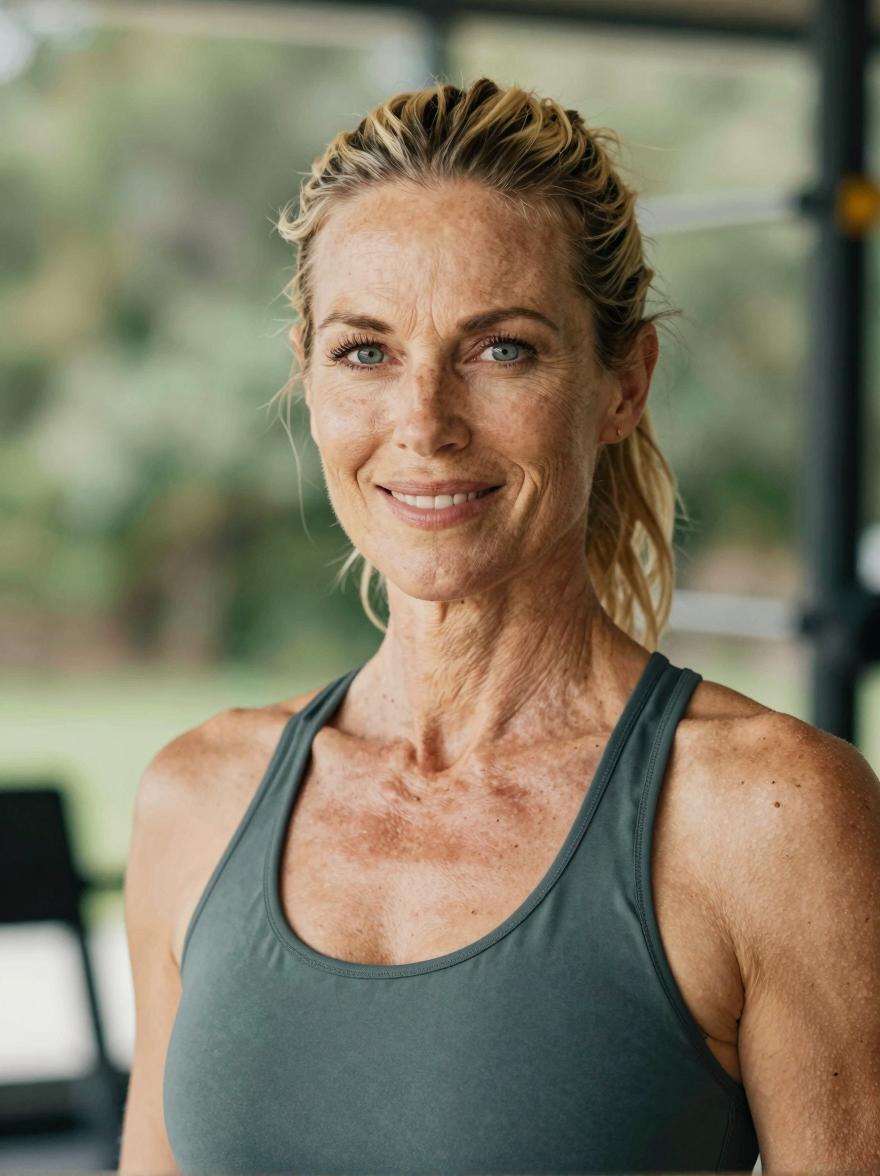
Tone Your Chest with These 4 Simple Exercises After 50
June 27, 2026 · 11:27 AM
As we age, maintaining chest strength becomes increasingly important for overall health and mobility. The chest muscles play a vital role in daily activities, from lifting objects to maintaining good posture. Engaging in strength training can help preserve muscle mass, which often declines with age. This article presents four simple exercises tailored for individuals over 50, emphasizing safety and adaptability to different fitness levels. Remember, it’s essential to consult with a healthcare provider before starting any new exercise program, especially if you have pre-existing health conditions. By incorporating these exercises into your routine, you can work towards enhancing your chest strength and overall fitness.
The Importance of Chest Strength After 50
Chest strength is crucial for various daily activities, such as pushing, pulling, and lifting. As we age, maintaining this strength can enhance our ability to perform these tasks safely and effectively. Strong chest muscles contribute to better posture, which can alleviate back pain and improve overall mobility. Additionally, a well-developed chest can support functional movements, making everyday tasks easier and reducing the risk of injury. Strength training, particularly for older adults, has been shown to help maintain muscle mass and bone density, reducing the risk of falls and injuries. By focusing on chest strength, individuals can support their overall fitness and independence as they age. Moreover, a strong chest can boost confidence and improve body image, which are important aspects of mental well-being.
Getting Started Safely
Before beginning any exercise routine, it’s essential to warm up to prepare your muscles and joints. A simple warm-up could include light stretching or a few minutes of walking to increase blood flow. This step is crucial as it helps reduce the risk of injury and prepares your body for the workout ahead. Start with lower intensity exercises to gauge your fitness level and gradually increase the intensity as you become more comfortable. This approach helps prevent injuries and ensures that your body adapts to the new demands being placed on it. Always listen to your body and take breaks as needed, especially if you feel fatigued or strained. Additionally, consider incorporating flexibility and balance exercises into your routine, as these can complement your strength training and enhance your overall fitness.
Exercise Modifications for All Levels
Not everyone may find standard exercises easy to perform, so it’s important to have modifications available. For instance, if traditional push-ups are challenging, try wall push-ups or knee push-ups as alternatives. These variations reduce the amount of body weight you need to lift, making the exercise more manageable. Additionally, using resistance bands can be an excellent way for beginners to build strength without the need for heavy weights. Resistance bands are versatile and can be adjusted for different levels of resistance, allowing you to progress at your own pace. It’s also beneficial to incorporate exercises that target different angles of the chest, such as incline or decline variations, to ensure balanced muscle development. Remember, the goal is to find exercises that suit your current fitness level while still providing a challenge.
Tips for Effective Workouts
Consistency is key to any fitness routine. Aim to incorporate chest exercises into your weekly schedule, ideally two to three times per week. This frequency allows your muscles to recover while still promoting strength gains. Remember that rest and recovery are just as important as the workouts themselves; they give your muscles time to repair and grow stronger. Additionally, setting realistic fitness goals can help you stay motivated and track your progress. Consider starting with small, achievable targets and gradually increasing them as you gain confidence and strength. Keeping a workout journal can also be helpful, as it allows you to monitor your progress and make adjustments as needed. Lastly, consider pairing your strength training with cardiovascular exercises, as this combination can enhance overall fitness and heart health.
Listening to Your Body
Self-awareness during exercise is crucial, especially for older adults. Pay attention to how your body feels during workouts. If you experience discomfort or pain, it’s important to stop and assess the situation. Adjustments may be necessary based on your personal fitness level. For example, if a certain exercise feels too strenuous, consider reducing the number of repetitions or switching to a modified version. Always prioritize your safety and comfort over pushing through pain, as this can lead to injuries and setbacks in your fitness journey. Additionally, it’s helpful to establish a routine of checking in with yourself before, during, and after workouts to gauge your energy levels and readiness. This practice can help you make informed decisions about your exercise routine and ensure a positive experience.
Practical Takeaway
Consult a healthcare provider before starting new exercises, and listen to your body to ensure safe and effective workouts. Prioritize gradual progress and modifications to suit your fitness level.