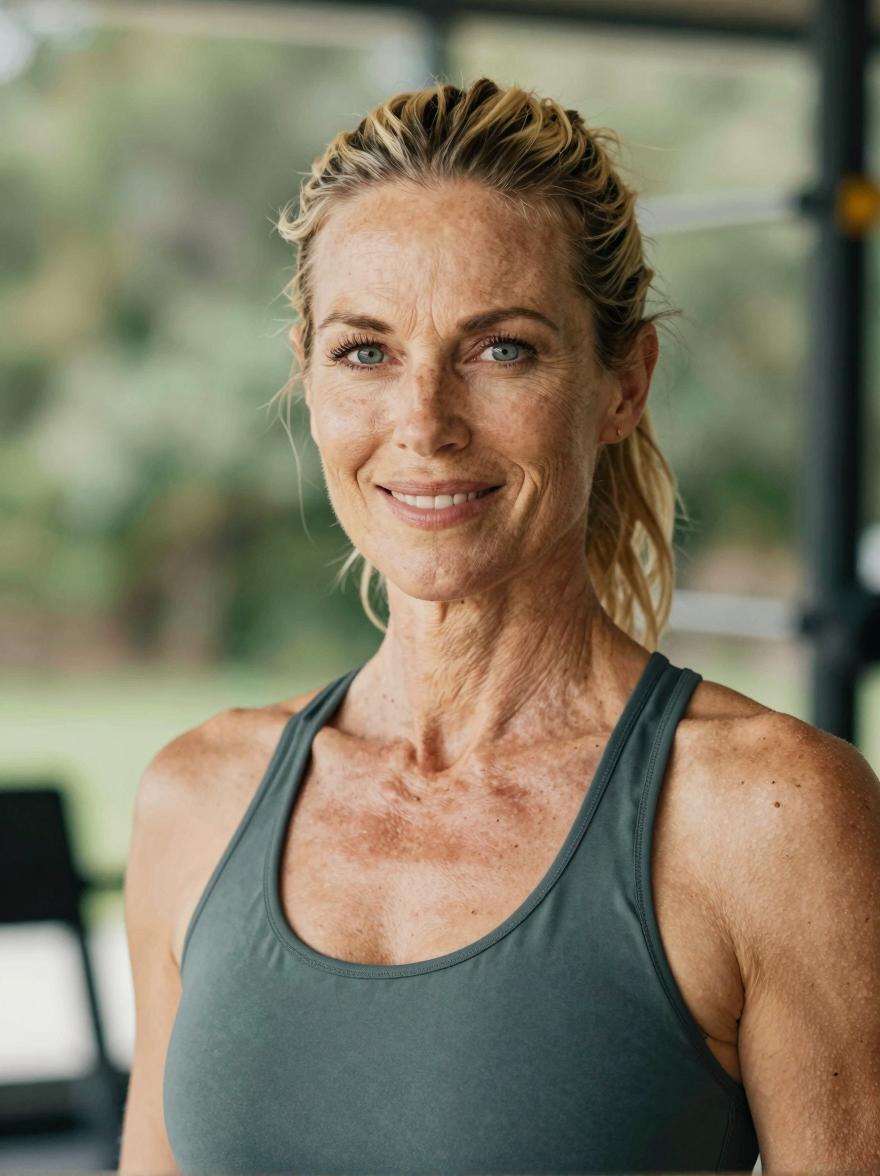
Sculpt Your Body: 5 Essential Bodyweight Exercises After 50
June 25, 2026 · 4:27 PM
Bodyweight exercises are physical activities that utilize your own weight for resistance, making them accessible and versatile for individuals over 50. Engaging in regular physical activity is crucial for maintaining strength, flexibility, and overall health as we age. These exercises can be performed anywhere, require no equipment, and can be tailored to various fitness levels. By incorporating bodyweight exercises into your routine, you can promote better balance, coordination, and mobility, which are essential for daily activities and overall well-being. Embracing these exercises can lead to a more active lifestyle, helping you feel empowered and confident in your physical abilities.
Introduction to Bodyweight Exercises for Seniors
Bodyweight exercises are movements that rely on your own body weight for resistance, rather than external weights or machines. For individuals over 50, these exercises are particularly beneficial as they can help maintain muscle mass and improve functional fitness. Staying active is vital for enhancing cardiovascular health, boosting mood, and reducing the risk of chronic diseases. Engaging in bodyweight exercises can also promote better joint health and flexibility, making it easier to perform everyday tasks. By focusing on these exercises, seniors can enjoy a more active lifestyle while minimizing the risk of injury. Additionally, these exercises can be easily modified to accommodate various fitness levels, ensuring that everyone can participate and benefit from them.
How to Safely Perform Bodyweight Exercises
Safety is paramount when starting any new exercise routine, especially for those over 50. Begin each session with a warm-up to prepare your muscles and joints for activity. This could include light stretching or gentle movements to increase blood flow. After your workout, a cool-down period is equally important to help your body transition back to a resting state. Maintaining proper form during exercises is crucial to prevent injuries. Focus on controlled movements and avoid rushing through repetitions. If you’re unsure about your form, consider consulting a fitness professional for guidance. Additionally, ensure that you have a safe space to exercise, free from obstacles that could lead to falls or injuries. Listening to your body and recognizing your limits will help you exercise safely and effectively.
Detailed Overview of Each Exercise
Here are five essential bodyweight exercises suitable for individuals over 50: 1. Squats: Stand with feet shoulder-width apart, lower your body as if sitting back into a chair, keeping your chest up. If needed, use a chair for support. 2. Push-ups: Start on your knees or toes, hands shoulder-width apart, lower your body while keeping your back straight. Modify by doing wall push-ups if necessary. 3. Lunges: Step forward with one leg, lowering your hips until both knees are bent at about 90 degrees. Use a wall or chair for balance if needed. 4. Planks: Lie face down, lift your body on your forearms and toes, keeping a straight line from head to heels. Start with shorter durations and gradually increase. 5. Glute bridges: Lie on your back, knees bent, lift your hips towards the ceiling while squeezing your glutes. This can be modified by lowering the height of your lift. Modifications can be made for each exercise to suit individual fitness levels, ensuring that everyone can participate safely.
Creating a Balanced Routine
To create a balanced fitness routine, aim to incorporate these bodyweight exercises into your weekly schedule. Consider performing them 2-3 times a week, allowing for rest days in between to promote recovery. It’s essential to include a variety of exercises that target different muscle groups, such as upper body, lower body, and core. This balance helps prevent overuse injuries and promotes overall strength. Additionally, consider pairing bodyweight exercises with activities like walking or swimming for cardiovascular benefits. Variety not only keeps workouts interesting but also enhances overall fitness. You might also explore group classes or online resources tailored for seniors, which can provide additional motivation and support. Remember, consistency is key, and finding a routine that you enjoy will help you stick with it long-term.
Listening to Your Body
Self-awareness during exercise is crucial, especially for older adults. Pay attention to how your body feels during and after workouts. If you experience pain or discomfort, it may be a sign to stop or modify the exercise. Signs that indicate you should stop include sharp pain, dizziness, or excessive fatigue. Adjusting the intensity of your workouts based on your personal fitness level is essential for safety. Remember, it’s perfectly acceptable to take breaks or reduce the number of repetitions if needed. Listening to your body can help you maintain a sustainable exercise routine. Additionally, consider keeping a journal of your workouts to track your progress and feelings, which can help you identify patterns and make necessary adjustments to your routine.
Conclusion and Encouragement
Starting a new exercise routine can feel daunting, but setting realistic goals can make the process more manageable. Aim for gradual progress rather than perfection. Regular physical activity, including bodyweight exercises, can contribute to improved strength, mobility, and overall health. Remember to celebrate small achievements along the way and stay consistent with your routine. Engaging in physical activity not only enhances physical well-being but can also boost mental health. Embrace the journey of staying active and enjoy the benefits that come with it. Surround yourself with supportive friends or family members who can join you in your fitness journey, making it a more enjoyable experience.
Practical Takeaway
Modify exercises as needed and consult a healthcare provider before starting any new fitness program. Prioritize safety and listen to your body for a sustainable routine.


