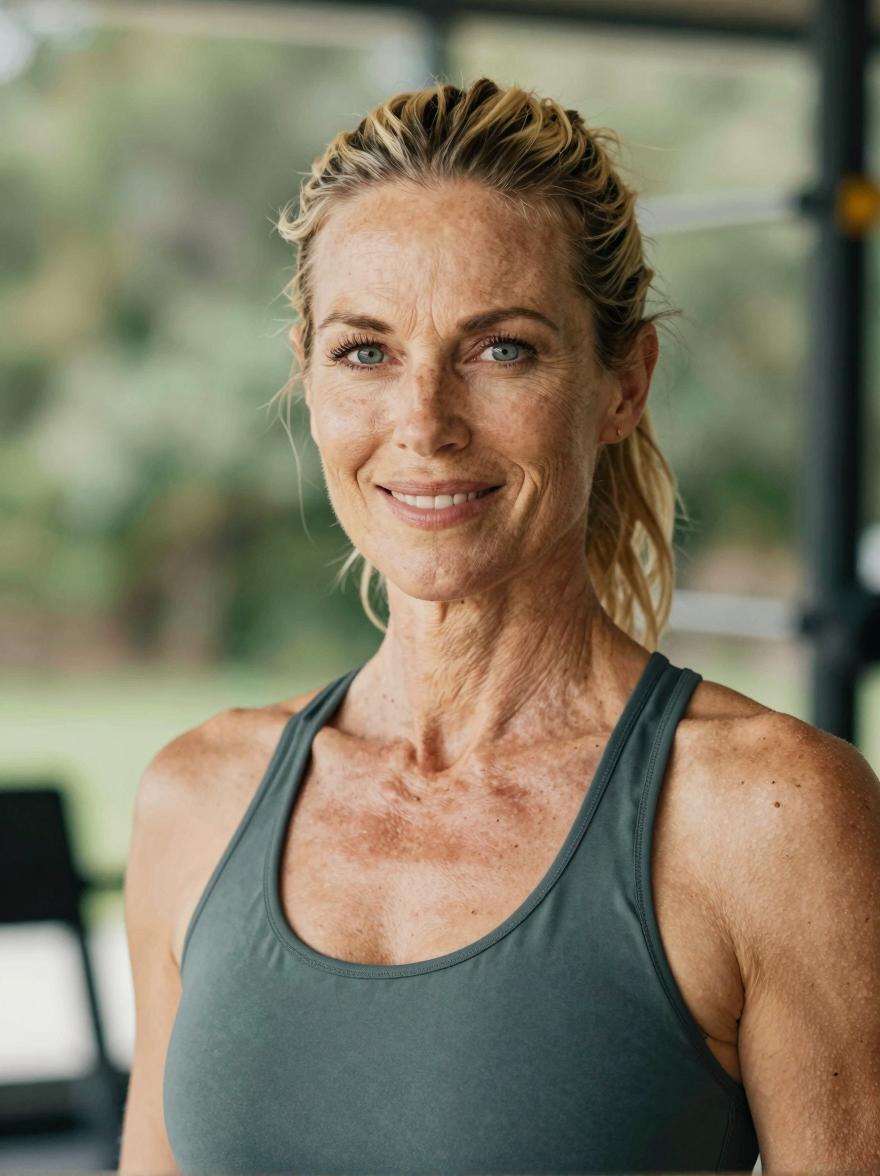
Mastering the Bridge Hold: A Core Strength Guide for Anyone Over 60
June 23, 2026 · 12:30 PM
As we age, maintaining a strong core becomes increasingly important for overall health and mobility. Core strength supports daily activities, improves balance, and enhances stability. One effective exercise for building core strength is the bridge hold, which targets the abdomen, lower back, and glutes. This guide will provide step-by-step instructions on how to perform the bridge hold, tips for progression, and safety considerations to keep in mind. Whether you are new to exercise or looking to enhance your routine, mastering the bridge hold can be a valuable addition to your fitness regimen, helping you maintain independence and improve your quality of life.
Understanding Core Strength
Core strength refers to the ability of the muscles in your abdomen, lower back, and pelvis to work together effectively. For individuals over 60, maintaining core strength is crucial as it plays a significant role in balance, stability, and overall mobility. A strong core can help prevent falls, support proper posture, and make everyday activities easier, such as bending, lifting, and reaching. Additionally, engaging in core-strengthening exercises can contribute to better functional fitness, allowing for a more active lifestyle. As we age, muscle mass naturally declines, making it essential to incorporate exercises that specifically target core strength. By focusing on core stability, you can enhance your ability to perform daily tasks and reduce the risk of injury, ultimately leading to a more fulfilling and active life.
How to Perform the Bridge Hold
To perform the bridge hold, start by lying on your back on a flat surface, such as a yoga mat. Bend your knees and place your feet flat on the ground, hip-width apart. Your arms should be resting at your sides, palms facing down. Engage your core by tightening your abdominal muscles. Press through your heels to lift your hips off the ground, creating a straight line from your shoulders to your knees. Hold this position for a few seconds while breathing steadily. Focus on keeping your shoulders relaxed and avoiding arching your back. To lower back down, gently lower your hips to the ground. Repeat this exercise for a set number of repetitions, ensuring you maintain proper form throughout. It’s important to remember that quality is more important than quantity; performing the bridge hold correctly will yield better results and reduce the risk of injury.
Progressing Your Bridge Hold
When starting with the bridge hold, it’s advisable to begin with shorter holds, such as 10 to 15 seconds, and gradually increase the duration as your strength improves. Listen to your body and progress at a pace that feels comfortable for you. If you experience any pain or discomfort, it’s important to adjust your position or reduce the hold time. As you become more confident, aim to hold the bridge for longer periods, potentially reaching up to 30 seconds or more. You can also challenge yourself by incorporating variations, such as lifting one leg while holding the bridge or using a stability ball for added difficulty. Always prioritize form over duration to prevent injury. Remember that everyone’s fitness journey is unique, so it’s perfectly acceptable to take your time and celebrate small milestones along the way.
Incorporating Core Exercises into Your Routine
To create a balanced fitness routine, consider pairing the bridge hold with other core-strengthening exercises, such as planks, side planks, or pelvic tilts. These exercises can complement the bridge hold by targeting different muscle groups within the core. Aim to incorporate core exercises at least two to three times a week, allowing for rest days in between. Additionally, consider integrating flexibility and balance exercises, such as yoga or tai chi, to enhance overall stability and mobility. A well-rounded fitness plan will not only strengthen your core but also improve your overall physical health and well-being. It’s beneficial to set specific goals for your fitness routine, such as increasing the number of repetitions or the duration of each hold, to keep yourself motivated and engaged.
Safety Tips for Exercising After 60
Safety is paramount when exercising, especially for individuals over 60. Always consult with a healthcare professional before starting any new exercise regimen, particularly if you have pre-existing conditions or concerns. Pay attention to your body during exercises; if you feel any pain or discomfort, stop and reassess your form or the suitability of the exercise. It’s essential to recognize signs of overexertion, such as excessive fatigue, dizziness, or shortness of breath. Staying hydrated and warming up before exercises can also help prevent injury. By prioritizing safety, you can enjoy the benefits of exercise while minimizing risks. Additionally, consider exercising in a safe environment where you have enough space to move freely and where any potential hazards are removed.
Practical Takeaway
Start with short bridge holds and gradually increase duration while prioritizing safety and proper form. Remember to listen to your body and consult with a healthcare professional when needed.