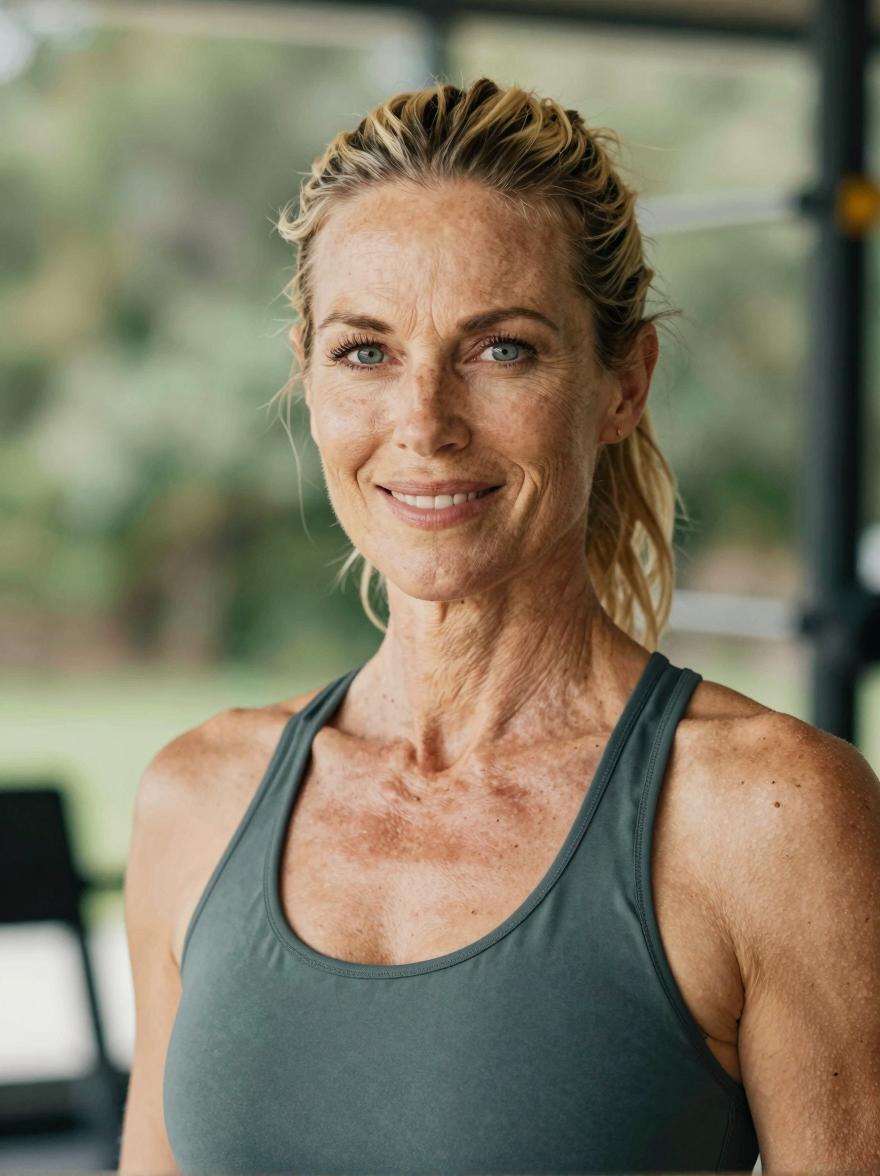
5 Simple Standing Exercises for a Flatter Stomach Over 60
June 16, 2026 · 9:58 AM
As we age, maintaining core strength becomes increasingly important for overall health and stability. For individuals over 60, engaging in regular physical activity can help support balance, prevent falls, and enhance daily functioning. Standing exercises are particularly beneficial as they can be performed safely at home without the need for gym equipment. This article presents five simple standing exercises designed to help tone the stomach area and improve core strength, specifically tailored for older adults. Remember to consult with a healthcare provider before starting any new exercise routine, especially if you have pre-existing health conditions.
Understanding Core Strength
Core strength plays a vital role in maintaining balance and stability, especially as we age. A strong core supports the spine and helps with posture, which can reduce the risk of falls. For older adults, having a well-developed core can enhance mobility and make daily activities easier to perform. Engaging in exercises that strengthen the core can also improve coordination and functional fitness, allowing for a more active lifestyle. By focusing on core strength, older adults can not only enhance their physical capabilities but also boost their confidence in movement and stability. Additionally, core strength is essential for performing everyday tasks, such as bending, lifting, and even sitting comfortably. Therefore, prioritizing core exercises can lead to a more independent and fulfilling life.
Benefits of Standing Exercises
Standing exercises offer several advantages for older adults. One of the primary benefits is the improvement of balance, which is crucial for preventing falls. These exercises can be easier on the joints compared to traditional floor exercises, making them a safer option for those with mobility concerns. Additionally, standing exercises often engage multiple muscle groups simultaneously, providing a more comprehensive workout. This can lead to better overall strength and endurance. Furthermore, performing exercises while standing allows for greater functional movement patterns, which can translate into improved performance in daily activities. For instance, movements like leg lifts and torso twists mimic actions we perform in everyday life, making these exercises not only beneficial for fitness but also practical for enhancing daily functionality. Overall, standing exercises can contribute to a more active and healthy lifestyle.
Detailed Exercise Descriptions
- Marching in Place: Stand tall with feet hip-width apart. Lift one knee towards your chest, then lower it back down and alternate legs. Aim for 10-15 repetitions per leg. For a modification, march at a slower pace. This exercise helps improve coordination and engages the core. 2. Standing Side Leg Lifts: Stand with feet together. Lift one leg out to the side, keeping it straight. Lower it back down and repeat 10-15 times before switching sides. This movement targets the hip muscles and helps with balance. 3. Torso Twists: Stand with feet shoulder-width apart. Gently twist your torso to the right, then to the left, keeping your hips facing forward. Repeat for 10-15 twists. This exercise enhances spinal mobility and engages the core. 4. Overhead Reach: Stand tall and reach both arms overhead, stretching your body upward. Hold for a few seconds and lower. Repeat 5-10 times. This movement helps improve flexibility and stretches the core. 5. Heel Raises: Stand with feet hip-width apart. Slowly rise onto your toes, then lower back down. Aim for 10-15 repetitions. This exercise strengthens the calves and improves balance. Ensure proper form and balance throughout each exercise, and consider using a wall or chair for support if needed.
Incorporating Exercises into Your Routine
To effectively integrate these standing exercises into your weekly fitness plan, aim for at least 2-3 sessions per week. Start with a duration of 15-20 minutes, gradually increasing as you become more comfortable. Consider pairing these exercises with other healthy habits, such as walking or stretching, to create a well-rounded routine. Staying motivated can be enhanced by setting realistic fitness goals, tracking your progress, or exercising with a friend. Consistency is key, so find a time that works best for you and stick to it, making adjustments as needed to keep your routine enjoyable. Additionally, consider incorporating variety by changing the order of exercises or trying different modifications to keep things fresh. Remember, the goal is to create a sustainable routine that you look forward to, which will ultimately lead to better adherence and results.
Listening to Your Body
Being mindful of your body during exercise is crucial, especially for older adults. Pay attention to how you feel during each movement, and be sure to stop if you experience any pain or discomfort. Recognizing signs of overexertion, such as excessive fatigue or shortness of breath, is important to prevent injury. It’s beneficial to start slowly and gradually increase the intensity of your workouts as your strength improves. Always prioritize safety and comfort, and consult with a healthcare provider if you have any concerns about your exercise routine. Additionally, consider keeping a journal to note how your body responds to different exercises, which can help you identify what works best for you and adjust your routine accordingly.
Practical Takeaway
Set realistic fitness goals and incorporate these standing exercises into your routine for improved core strength and overall health. Remember to listen to your body and enjoy the process.