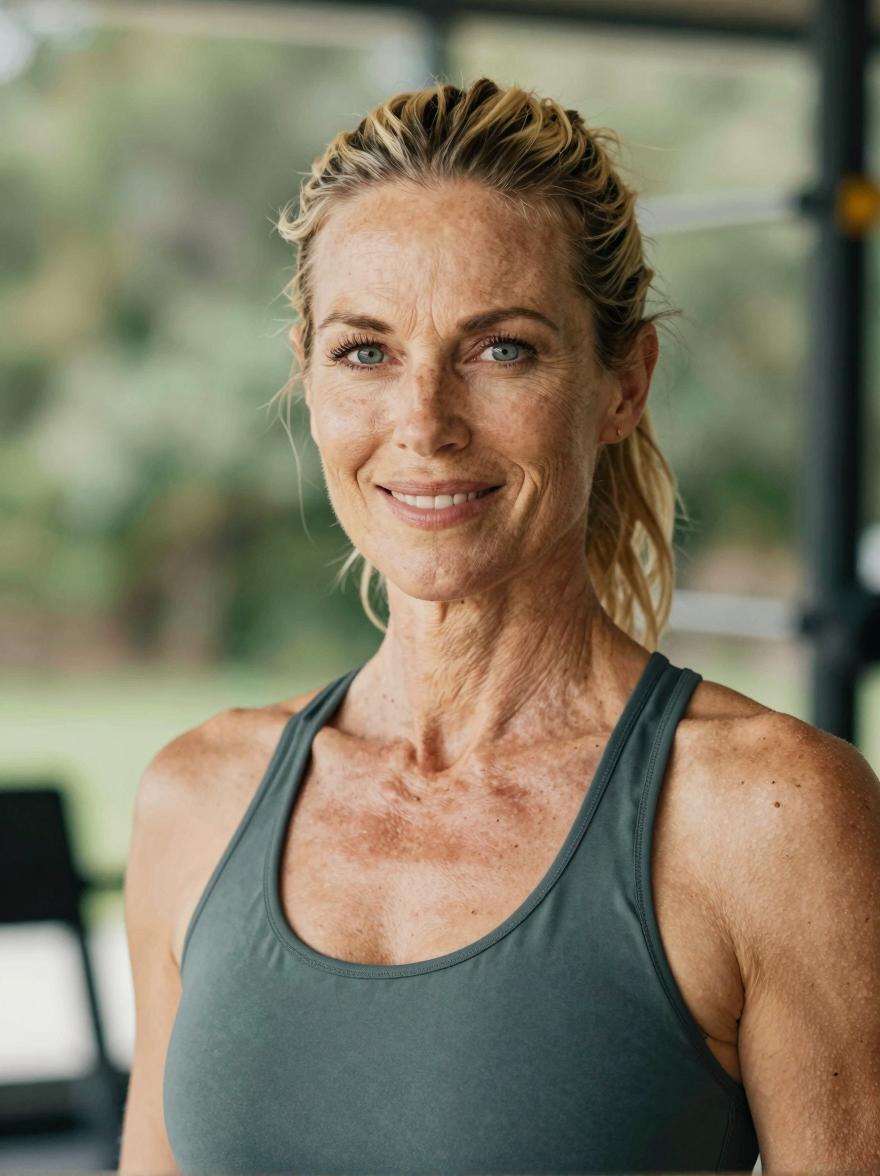
Get Fit After 50: 5 Essential Exercises You Need
June 14, 2026 · 1:40 PM
As we age, maintaining physical fitness becomes increasingly important for overall health and well-being. Staying active not only helps to preserve muscle mass but also enhances quality of life by improving mobility and reducing the risk of chronic conditions. Engaging in regular exercise can lead to better balance, strength, and flexibility, which are crucial for everyday activities. This article explores a variety of beneficial exercises tailored for individuals over 50, along with tips for starting a safe and effective exercise routine. By incorporating these practices, you can foster a healthier lifestyle and enjoy the many advantages that come with staying fit after 50.
The Importance of Fitness After 50
Staying active is vital for health as we age. Regular physical activity can help manage weight, improve cardiovascular health, and enhance mental well-being. Engaging in fitness activities can also boost energy levels and improve sleep quality. For older adults, maintaining fitness is essential for preserving independence and enhancing the ability to perform daily tasks. Furthermore, being active can foster social connections through group classes or community activities, contributing positively to emotional health. It is important to recognize that fitness is not just about physical strength; it also plays a significant role in mental health, reducing feelings of anxiety and depression. Overall, prioritizing fitness after 50 can lead to a more fulfilling and active lifestyle, allowing individuals to engage more fully in their interests and social circles.
Essential Exercises for Older Adults
Incorporating a variety of exercises can benefit older adults by focusing on strength, balance, and flexibility. Strength training exercises, such as bodyweight squats or resistance band workouts, can help maintain muscle mass and improve overall strength. Balance exercises, like standing on one leg or heel-to-toe walks, are beneficial for preventing falls, which are a common concern for older adults. Flexibility exercises, such as gentle stretching or yoga, can improve range of motion and reduce stiffness, making everyday movements easier. It’s important to note that modifications can be made for different fitness levels; for example, using a chair for support during balance exercises or starting with lighter weights in strength training. These exercises can be adapted to suit individual capabilities, ensuring that everyone can participate safely and effectively, regardless of their starting point.
Tips for Starting an Exercise Routine
Beginning an exercise routine can feel daunting, but starting slowly and gradually increasing intensity is key to long-term success. It’s advisable to set realistic goals, such as aiming for 10-15 minutes of activity a few times a week and gradually building up to longer sessions. Finding activities that are enjoyable can also make it easier to stick with a routine; consider walking, swimming, or dancing as potential options. Additionally, incorporating a mix of cardiovascular, strength, and flexibility exercises can create a balanced program that addresses various aspects of fitness. Scheduling workouts at consistent times can help establish a habit, making it easier to integrate exercise into daily life. Remember to consult with a healthcare provider before starting any new exercise program, especially if there are pre-existing health conditions, to ensure that your approach is safe and tailored to your needs.
Listening to Your Body
Being attuned to your body is crucial when starting or maintaining an exercise routine. Recognizing signs of overexertion, such as excessive fatigue, dizziness, or pain, is important to avoid injury and ensure a positive experience. If you experience discomfort, it’s advisable to modify the exercise or take a break, rather than pushing through pain. Listening to your body also means understanding your limits and knowing when to rest. If you are unsure about your physical capabilities, seeking professional advice from a fitness trainer or healthcare provider can provide personalized guidance. This approach helps ensure that your exercise routine is both safe and effective, allowing you to build strength and endurance without risking injury.
Staying Motivated
Maintaining motivation in a fitness routine can be challenging, but there are effective strategies to help. Finding a workout buddy or joining a fitness group can provide social support and accountability, making exercise more enjoyable. Tracking progress, whether through a journal or fitness app, allows you to celebrate achievements, no matter how small, which can boost your motivation. Setting short-term goals can create a sense of accomplishment and keep you engaged in your fitness journey. Additionally, varying your workouts can prevent boredom and keep things interesting; consider trying new classes or outdoor activities. Remember, consistency is key, and making exercise a regular part of your routine can lead to lasting benefits, enhancing both physical health and overall well-being.
Practical Takeaway
Consult a healthcare provider before starting any new exercise program, and listen to your body to ensure safe practices. Staying active is essential for health and well-being after 50.